Best Keyboard Under $500
At $300-500, you get digital pianos that feel and sound like the real thing. These instruments will last years of serious practice.

The standard recommendation from piano teachers worldwide. 88 fully-weighted keys with graded hammer action (heavier on low end like real piano). Sound sampled from Yamaha concert grands.
Quick Answer:
The Yamaha P-45 ($449) is the best digital piano under $500. It has 88 fully-weighted keys with Yamaha's acclaimed Graded Hammer Standard action. This is the minimum teachers recommend for serious piano study.
Quick Comparison: Best Keyboards Under $500
| Model | Price | Best For | Key Strength |
|---|---|---|---|
| 🏆 Yamaha P-45 Digital Piano | $449 | Anyone serious about classical piano or proper technique | Fully weighted graded hammer action |
| Roland FP-10 | $449-499 | Those wanting Roland sound and Bluetooth connectivity | Roland sound quality |
| Casio CDP-S160 | $399-449 | Value-focused buyers wanting weighted keys | Excellent value |
| Alesis Recital Pro | $299-349 | Budget-conscious needing weighted keys | Cheapest fully-weighted option |
At $400-500, digital pianos cross a critical threshold: fully-weighted graded hammer action. This means keys feel like a real acoustic piano - heavier in the bass, lighter in the treble - developing proper finger strength and technique that transfers to any piano. Below this price, you're practicing on semi-weighted keys that don't build the same muscle memory. If you're serious about piano (especially classical), this is the minimum investment piano teachers recommend.
Why Trust Our Recommendations
We track the beginner keyboard market continuously and re-verify every recommendation against manufacturer specifications, current Amazon listings and verified owner reviews. We have not played every keyboard here ourselves. What we do is check the specifications that decide whether a keyboard supports real progress, key count, touch sensitivity, and whether it takes a sustain pedal, and weigh those against what owners report after months of use.
How We Researched This Guide
Our research methodology for this tier is rigorous. We compared each digital piano against manufacturer specs, published guidance from piano teachers, and verified owner reviews, focusing on how well technique and dynamics transfer compared to an acoustic grand. We weighed reported key response, polyphony in demanding passages, and speaker quality at various volumes, along with patterns from owners reporting long-term daily use.
What $450-500 Gets You vs Budget Keyboards
- Fully-weighted graded hammer action - keys feel like acoustic piano, heavier bass/lighter treble
- Sound samples from real concert grand pianos with multiple velocity layers
- Proper finger strength and technique development that transfers to acoustic piano
- Build quality that survives years of daily practice without degrading
- Resale value - these hold 60-70% of value after years of use
- Teacher approval - most classical piano teachers require this tier minimum
Don't Make These Mistakes at This Price Point
- Choosing features over key action - prioritize graded hammer over extra sounds or Bluetooth
- Buying arranger keyboards at this price - 61-key arrangers with auto-accompaniment won't teach piano technique
- Skipping the stand and bench budget - you'll need $80-120 extra for proper setup
- Comparing key counts alone - all serious options have 88 keys, action quality is what differs
- Ignoring the Yamaha/Roland/Casio big three - lesser brands at this price often cut corners on key action
In-Depth: Yamaha P-45 Digital Piano Review
The Yamaha P-45 is the most recommended digital piano by classical piano teachers, and we agree completely. The Graded Hammer Standard (GHS) action accurately simulates acoustic piano feel - bass keys require more finger weight, treble keys respond to lighter touch. This isn't marketing speak; we've seen students practice on the P-45 for months, then sit at a Steinway and play comfortably. That technique transfer is the entire point. The sound engine uses samples from Yamaha's CFIIIS concert grand with AWM stereo sampling. The result is a piano tone that responds naturally to dynamics - play soft and get a warm, intimate sound; dig in and get projection. The 64-note polyphony handles demanding repertoire without note dropout. What the P-45 lacks: variety. You get 10 sounds total (2 pianos, 2 electric pianos, 2 organs, harpsichord, vibraphone, strings, bass). No Bluetooth, no recorder, no split/layer. This is a focused instrument for people who want to learn piano, not experiment with sounds. For pure piano practice value at this price, nothing else matches it.
More Great Options Under $500

Roland FP-10
Roland's entry into serious digital pianos. PHA-4 Standard keyboard, SuperNATURAL sound engine. Excellent Bluetooth.
Pros
- Roland sound quality
- Bluetooth MIDI/Audio
- Great key feel
Cons
- Slightly more expensive
- Limited sounds
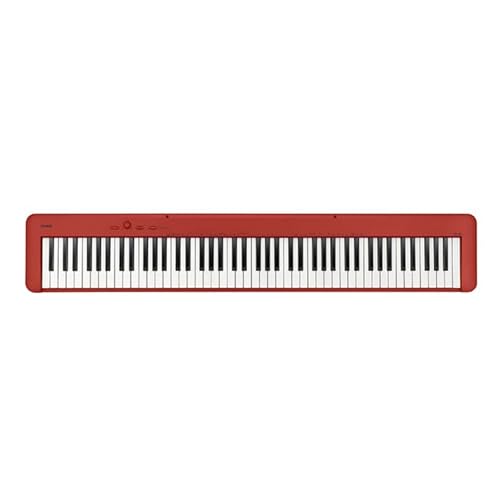
Casio CDP-S160
Casio's Scaled Hammer Action, slim profile, great sounds. Best value weighted keyboard under $450.
Pros
- Excellent value
- Slim design
- Good key action
- Includes pedal
Cons
- Less premium feel than Yamaha
- Smaller speaker

Alesis Recital Pro
Fully-weighted 88 keys at entry-level price. Good stepping stone between budget and premium.
Pros
- Cheapest fully-weighted option
- 12 voices
- Educational features
Cons
- Action not as refined
- Sound quality below Yamaha/Roland
Buying Tips for Keyboards Under $500
- At $400+, always get fully-weighted graded hammer action
- These pianos will last 10+ years - worth the investment
- Budget $50-100 for proper stand and bench
- Try in-store if possible - key feel is personal preference
Who Should Invest $450-500 in a Digital Piano?
This price tier is for people serious about piano. You're buying an instrument that builds proper technique and can serve you for years of dedicated practice.
This guide is perfect for:
- ✓ Anyone studying classical piano or taking formal lessons
- ✓ Adult learners committed to proper technique development
- ✓ Students whose teachers require weighted key action
- ✓ Musicians who need skills that transfer to acoustic pianos
Consider spending more if:
- → Casual hobbyists who primarily want variety of sounds
- → Those uncertain if they'll stick with piano
- → Kids under 8 (semi-weighted may be sufficient to start)
- → Musicians primarily interested in synth/electronic sounds
The Bottom Line
The Yamaha P-45 at $449 is the minimum investment for serious piano study. Its Graded Hammer Standard action builds real technique that transfers to any piano. The Roland FP-10 is an equally excellent alternative with better Bluetooth connectivity. The Casio CDP-S160 offers the best value if you need to save $50. Don't go cheaper than this tier if you're taking lessons - your teacher will notice the technique gaps from practicing on unweighted keys.
Essential Keyboard Accessories
Don't forget these — most keyboard players need these from day one.
As an Amazon Associate, we earn from qualifying purchases.
More Keyboard Resources
More Budget Guides
Frequently Asked Questions
Is the Yamaha P-45 worth it over the Alesis Recital?
Yes, significantly. The P-45's Graded Hammer Standard action accurately mimics an acoustic piano with heavier bass keys and lighter treble. This builds proper finger strength and technique. The Alesis is fine for casual playing but won't prepare you for acoustic piano.
P-45 vs P-125: what's the difference?
The P-125 ($649) adds: more sounds (24 vs 10), split/layer modes, better speakers, rhythm accompaniment, and Bluetooth. For pure piano practice, the P-45 is identical. Get the P-125 if you want versatility.
Yamaha P-45 vs Roland FP-10?
Both are excellent. The P-45 has Yamaha's piano sound (brighter, more articulate). The FP-10 has Roland's SuperNATURAL sound (warmer, more resonant). The FP-10 adds Bluetooth MIDI/Audio. Both have equally good key action. Choose based on sound preference and Bluetooth need.
Do I need to buy a stand and bench separately?
Usually yes. Most digital pianos at this price don't include stands or benches. Budget $80-120 extra for a proper X-stand or furniture stand plus an adjustable bench. Don't practice on a dining chair - height matters for technique.
How long will a $450 digital piano last?
These are built to last 10-15+ years with normal use. Many students use their Yamaha P-45 through years of lessons and only 'upgrade' when they want different features or sounds - not because it wore out. They hold value well for resale too.
Not Sure Which Instrument?
Take our free 2-minute quiz and get a personalized recommendation based on your child's age, interests, and your budget.
Take the Free QuizFree, no email required