Best Instruments for Seniors and Retirees
Musical instruments perfect for seniors and retirees. Cognitive benefits, social opportunities, and instruments that work well with physical limitations.
Quick Answer:
The best instruments for seniors are piano, ukulele, harmonica, and recorder. These offer cognitive benefits, social opportunities, and manageable physical demands. Music in retirement has proven benefits for memory, mood, and social connection.
No grip strength needed, visual layout, immediate results. Can be played while seated comfortably. Extensive repertoire from classical to pop.
Best Instruments for Adults Compared
| Instrument | Cost to Start | Time to First Song | Daily Practice | Best For |
|---|---|---|---|---|
| 🏆 Piano/Keyboard | $300-$700 | - | - | Seniors wanting comprehensive musical engagement |
| Ukulele | $50-$150 | - | - | Seniors wanting fun, social, low-pressure playing |
| Harmonica | $30-$80 | - | - | Seniors with hand limitations or wanting ultra-simple start |
| Recorder | $20-$100 | - | - | Seniors interested in early music or group playing |
| Classical Guitar | $150-$400 | - | - | Seniors wanting beautiful, meditative solo instrument |
"Retirement is the perfect time. You finally have time to practice, the wisdom to appreciate music, and nothing to prove to anyone."
Benefits of Learning Music Later in Life
Cognitive Health
Playing music engages multiple brain areas simultaneously. Studies show musicians have better memory and cognitive function as they age. Learning something new creates neural pathways.
Social Connection
Group classes, community bands, and jam sessions provide social interaction. Many areas have senior orchestras and bands specifically for older beginners.
Stress Relief
Music reduces cortisol levels. Playing an instrument provides meditative focus. A creative outlet for emotions and experiences.
Sense of Achievement
Learning something new at any age is empowering. Each song learned is an accomplishment. Progress is tangible and rewarding.
Fine Motor Skills
Playing instruments maintains hand dexterity and coordination. This is especially valuable for preventing decline. Doctors often recommend instruments for this reason.
More Great Options for Adults

Ukulele
Lightweight, soft strings, quick results. Very social instrument with active senior ukulele groups worldwide. Minimal hand strain.
Pros
- Very light instrument
- Soft strings easy on fingers
- Active senior community
- Quick wins
Cons
- Smaller sound
- Limited range

Harmonica
No hand dexterity required. Good for lung capacity. Ultra-portable. Blues and folk accessible quickly.
Pros
- No hand strain
- Portable anywhere
- Breathing exercise
- Learn quickly
Cons
- One key per harmonica
- Niche repertoire

Recorder
Simple fingering, inexpensive, Renaissance to folk music. Often played in senior groups. Good breathing exercise.
Pros
- Very affordable
- Group opportunities
- Easy to transport
- Breath work
Cons
- Limited repertoire
- Sound can be shrill
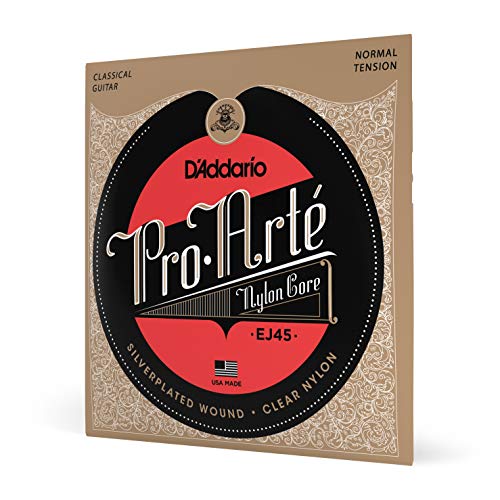
Classical Guitar
Nylon strings are easy on arthritic fingers. Beautiful solo repertoire. Can be played quietly at home.
Pros
- Soft strings
- Beautiful music
- Meditative practice
- Solo instrument
Cons
- Some finger dexterity needed
- Learning curve
Resources for Senior Musicians
- New Horizons International Music Association - bands for seniors
- Local community center music classes
- OLLI (Osher Lifelong Learning Institutes) - music courses
- Senior center ukulele groups
- Church choirs and music groups
Tips for Success
- Start with what you've always wanted to play - motivation matters most
- Shorter, daily practice beats long, occasional sessions
- Seek out senior-specific classes - the pace and social aspect are better
- Consider instruments that allow seated playing
- Don't compare yourself to videos of experts - enjoy your journey
- Quality matters for comfort - don't go too cheap on instruments
Now Help Them Learn: Guitar Tricks
The #1 online guitar learning platform with 11,000+ video lessons.
- Step-by-step courses for all levels
- Learn songs you love
- 14-day free trial — no risk
Affiliate link — we may earn a commission at no extra cost to you.
Alfred's Basic Adult All-in-One Piano Course
The top-rated beginner piano method book (~$24): lessons, theory, and technique in one self-paced course.
- Self-paced method book
- Lesson, theory, and technic in one
- Highly rated on Amazon
As an Amazon Associate, we earn from qualifying purchases.
Related Guides for Adult Beginners
Frequently Asked Questions
Is 60, 70, or 80 too old to learn an instrument?
Never. Research shows musical training benefits the brain at any age. Many people start instruments in their 70s and 80s. The cognitive and social benefits are especially valuable in later years.
What if I have arthritis?
Choose instruments with low physical demand: piano (no grip), harmonica (no hands), ukulele (soft strings). Shorter practice sessions with breaks help. Many with arthritis play successfully - and say it helps their condition.
Are there groups for senior beginners?
Yes! New Horizons bands exist in most cities specifically for adults who want to start music later in life. Many community centers have senior music programs. Senior ukulele groups are particularly popular.
What instrument has the most cognitive benefit?
Any instrument you'll actually practice provides benefits. Piano engages both hands independently, which is excellent for brain health. But the best instrument is the one that keeps you engaged.
Can I learn without reading music?
Absolutely. Chord charts, tabs, and learning by ear are all valid approaches. Many senior musicians play beautifully without reading traditional notation.
Not Sure Which Instrument?
Take our free 2-minute quiz and get a personalized recommendation based on your child's age, interests, and your budget.
Take the Free QuizFree, no email required