Best Guitar Strings for Beginners
Complete guide to choosing guitar strings for beginners. Learn about string types, gauges, and our top recommendations.
Quick Answer:
For acoustic guitar beginners, start with light gauge (.012-.053) strings like D'Addario EJ16 or Ernie Ball Earthwood Light. For electric, try .009-.042 gauge strings like Ernie Ball Super Slinky. Light gauges are easier on fingers while still producing good tone.
Guitar strings are your first consumable purchase after buying a guitar. The right strings make playing easier and more enjoyable. The wrong strings can cause finger pain and frustration. This guide helps you choose strings that set your beginner up for success.
In This Guide:
Acoustic vs Electric Guitar Strings
Never mix them up! Acoustic strings are thicker and produce sound through the guitar body. Electric strings are thinner and designed for magnetic pickups. Using the wrong type will result in poor sound or no sound at all. Classical guitars use nylon strings - completely different from steel strings.
Understanding String Gauges
Gauge refers to string thickness. Light gauges (.009-.011 for electric, .010-.012 for acoustic) are easier to press and bend. Heavy gauges produce fuller tone but require more finger strength. For beginners, always start with light or extra-light gauges. You can move to medium gauges later as finger strength develops.
String Materials Explained
Acoustic strings: Bronze (bright, clear) or Phosphor Bronze (warmer, longer-lasting). Electric strings: Nickel-plated steel (balanced tone) or Pure Nickel (warmer, vintage sound). For beginners, phosphor bronze acoustic strings and nickel-plated electric strings are the standard recommendations.
How Often to Change Strings
New players should change strings every 3-4 months, or when strings sound dull, feel rough, or show visible wear. Sweaty hands and frequent playing wear strings faster. Fresh strings make a huge difference in tone and playability - don't neglect this regular maintenance.
Our Top Picks
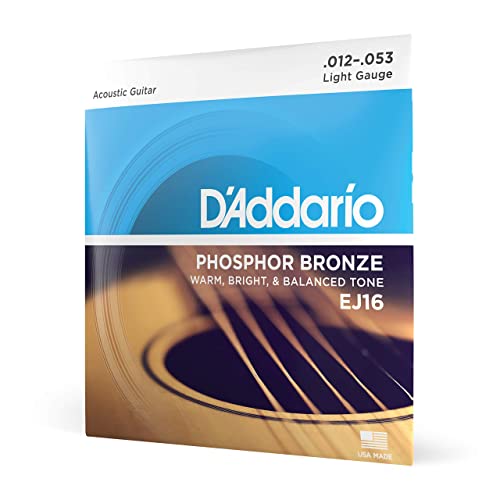

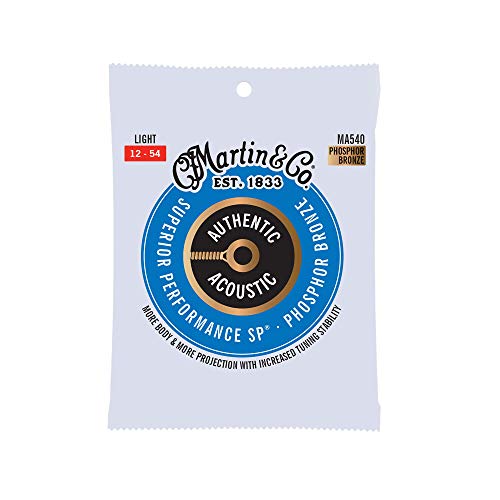
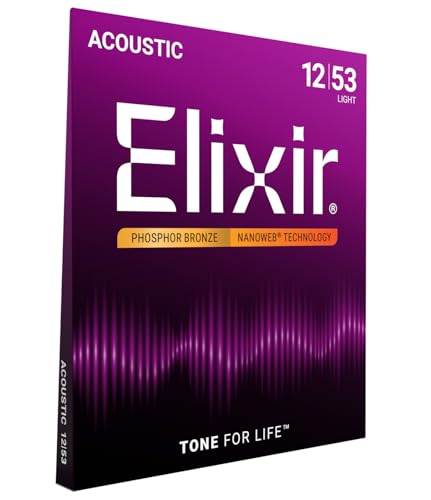
Got your gear? Now learn to play
Guitar Tricks has 11,000+ lessons for all levels. Try it free for 14 days.
More Accessory Guides
Frequently Asked Questions
How do I know when to change guitar strings?
Change strings when they sound dull, feel rough or grimy, show visible discoloration, or won't stay in tune. For regular players, every 2-4 months. For occasional players, every 3-6 months.
Are expensive strings worth it for beginners?
Basic quality strings ($5-10) are fine for beginners. Premium coated strings ($12-18) last longer but aren't necessary to start. Don't buy the absolute cheapest no-name strings - they're frustrating to play.
Can I change guitar strings myself?
Yes! It's an essential skill. Watch a YouTube tutorial - it takes about 15-20 minutes. Your music store can also change strings (usually $10-15 plus string cost) for the first time while you watch.
Not Sure Which Instrument?
Take our free 2-minute quiz and get a personalized recommendation based on your child's age, interests, and your budget.
Take the Free QuizFree, no email required